May 2026: A Month of Rare Celestial Phenomena with Two Full Moons and Meteor Showers
May 2026 is set to be an exceptional period for astronomy enthusiasts and anyone wishing to look up at the sky. The month will host two full moons, including a rare 'Blue Moon,' and the peak of the Eta Aquarids meteor shower.
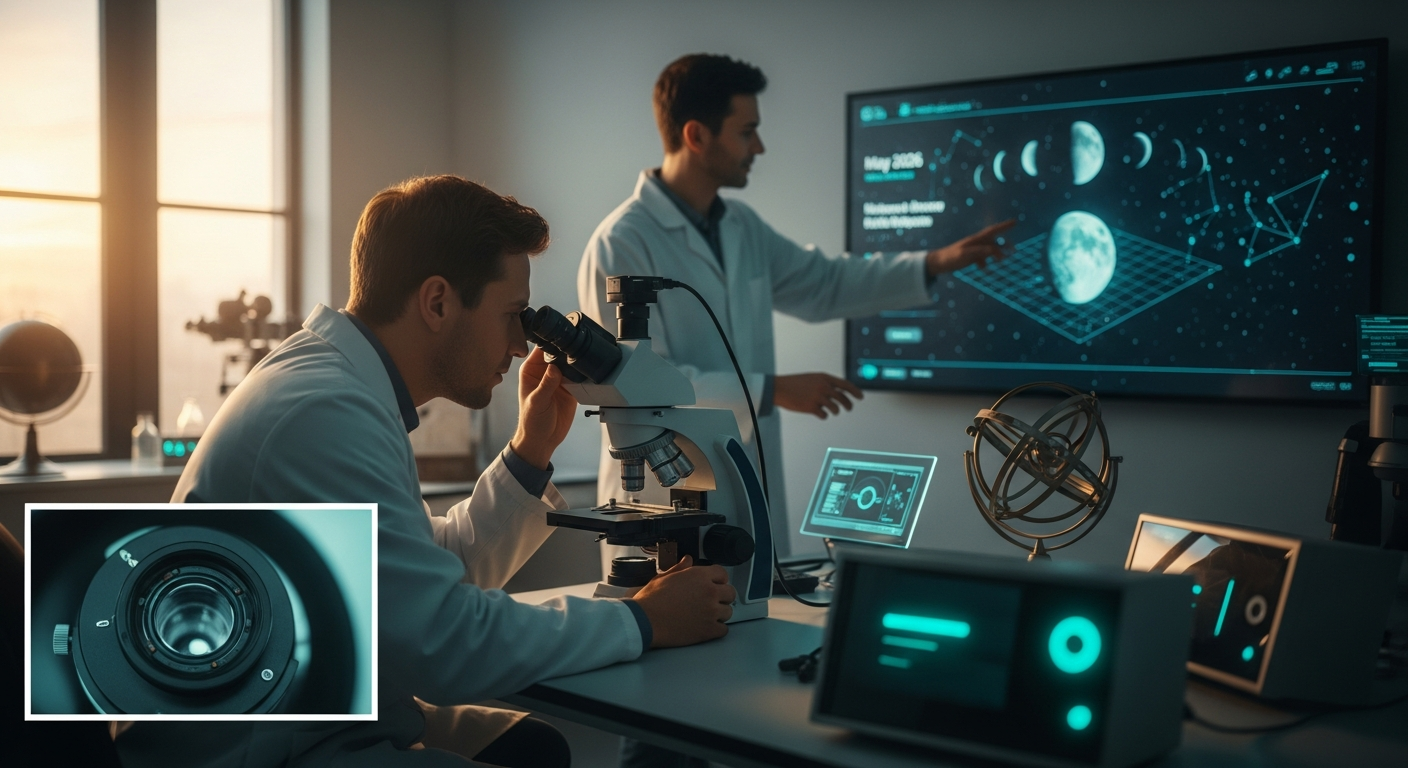
May 2026 is set to offer a particularly rich lunar and celestial calendar, featuring two full moons and the peak of a significant meteor shower.
What happened
The month of May 2026 will be marked by a rare astronomical alignment that includes two full moons. The first, known as the Flower Moon, illuminated the sky on May 1st. The second full moon will occur on May 31st, an event that, according to the modern definition, qualifies it as a Blue Moon. This designation does not refer to the actual color of the satellite but to its rarity, indicating the second full moon occurring within the same calendar month. One of May's full moons will also be a micromoon, which is a full moon that occurs when the satellite is at its farthest point from Earth in its elliptical orbit, appearing slightly smaller than usual Greenme.
In addition to the two full moons, sky gazers will have the opportunity to witness the Eta Aquarids meteor shower. This shower, active from late April through late May, will reach its peak visibility between May 5th and 6th. The Eta Aquarids are known for their speed and brightness, and they are fragments of Halley's Comet, which Earth passes through twice a year. During the peak, under ideal conditions of dark skies and absence of light pollution, it is possible to observe up to 50-60 meteors per hour in the Southern Hemisphere and about 10-30 meteors per hour in the Northern Hemisphere The Optimist Daily. These celestial events offer a unique window to connect with the universe and appreciate the dynamism of our solar system.
Why it matters
The presence of multiple astronomical events in a single month, such as the two full moons and the Eta Aquarids meteor shower, provides a significant opportunity for the promotion of scientific culture and sky observation. These phenomena are accessible to everyone, requiring no specialized equipment for their admiration, although binoculars or a small telescope can enhance the experience. Observing a Blue Moon or a meteor shower can serve as a catalyst for interest in astronomy, especially among young people, stimulating questions about the universe's composition, planetary orbits, and the history of comets. This type of natural event reminds us of our place in the vastness of the cosmos and the intrinsic beauty of celestial phenomena, often overlooked in the hustle and bustle of daily life.
In an era dominated by screens and digital connectivity, looking up at the night sky offers a chance to reconnect with nature and a shared sense of wonder. Communities can organize observation events, creating moments of gathering and cultural exchange. Schools and associations can leverage these dates for outdoor lessons or themed evenings, transforming observation into an educational and social experience. The rarity of a Blue Moon or the spectacular nature of a meteor shower are opportunities to reflect on natural cycles and the precision of the physical laws governing the universe. These moments of collective contemplation strengthen the bond between people and their environment, fostering greater ecological awareness and an appreciation for science.
What to watch
The astronomical events of May 2026 are a reminder that the night sky is a constant source of wonder and discovery. Astronomy enthusiasts and the general public can continue to follow astronomical calendars to avoid missing future planetary conjunctions, eclipses, or other meteor showers. Many amateur and professional astronomical organizations offer guides and resources for observation, encouraging active participation and continuous learning. The interest generated by events like the Blue Moon and the Eta Aquarids can translate into greater support for scientific research and for the protection of dark skies from light pollution, ensuring that future generations can continue to enjoy these natural spectacles.